The Unspoken Rules of Shelf Label Holders: How Thickness Impacts 5-Year Costs
- Share
- Issue Time
- Jan 5,2026
Summary
The thickness of shelf label holders significantly influences 5-year retail costs by affecting durability, functionality, and store aesthetics, making it a critical factor for long-term savings and brand image.
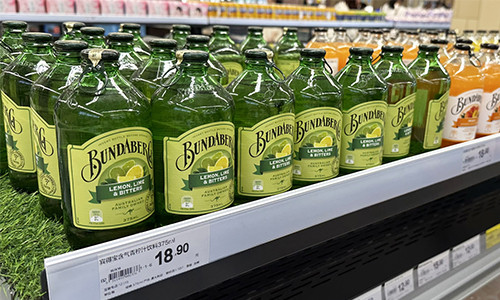
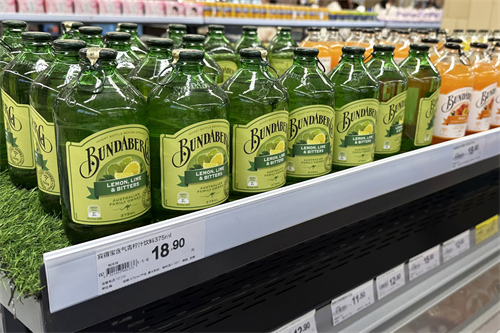
In the retail world, shelf label holders are more than just simple accessories for displaying price tags and product information. The thickness of these holders can have a profound impact on long - term costs, influencing factors such as durability, functionality, and replacement frequency. Let's delve into how different thicknesses of shelf label holders play out over a 5 - year period.
1. Durability and Long - Term Wear
Thicker shelf label holders, typically made of materials like 1.6mm thick heavy - duty plastic, offer enhanced durability. In a bustling retail environment, where shelves are constantly restocked and customers may accidentally bump into displays, a sturdier label holder is less likely to break or get damaged. For example, in a grocery store's beverage cooler section, where the humidity and frequent opening and closing of doors can take a toll on fixtures, thick plastic label holders can withstand the elements better than their thinner counterparts. Over 5 years, a thin label holder might need to be replaced several times due to cracks, breaks, or warping, while a thick one may only require minimal maintenance or replacement.
2. Functionality in Different Retail Settings
The thickness of shelf label holders also affects their functionality in various retail settings. In a bookstore, where space is often at a premium and shelves are filled with books of different sizes, a thinner label holder might be more suitable for fitting into tight spaces between books. However, in a hardware store with heavy - duty products and rough handling, a thicker, more robust label holder is necessary to keep price tags in place. For wire shelves, a 22.2mm high double - wire cooler shelf, for instance, may require a label holder with a specific thickness to securely snap on and stay put. If the label holder is too thin, it may not provide a tight enough grip and could fall off, leading to lost price tags and potential confusion for customers.
3. Cost - effectiveness Over 5 Years
When considering the 5 - year cost, the initial investment in thicker label holders may seem higher, but they often prove to be more cost - effective in the long run. A thin label holder might be cheaper upfront, but the cumulative cost of replacing it multiple times over 5 years can add up significantly. On the other hand, a thick, high - quality label holder, despite its higher initial price, can save money by reducing replacement costs. Additionally, some thicker label holders come with added features such as clear protective lenses, which not only protect the price tags from damage but also give the store a more professional look. This can potentially enhance the overall shopping experience for customers and lead to increased sales, further justifying the higher cost.
4. Impact on Store Aesthetics and Brand Image
The thickness of shelf label holders also has an impact on the store's aesthetics and brand image. A uniform set of thick, well - made label holders can give a store a clean, organized, and high - end appearance. In a luxury goods store, for example, thick acrylic or metal label holders can complement the high - quality products on display, enhancing the overall brand image. In contrast, thin, flimsy label holders may create a less professional impression, which could potentially deter customers. Over 5 years, maintaining a consistent and appealing store aesthetic with quality label holders can contribute to building customer loyalty and a positive brand reputation.
In conclusion, the thickness of shelf label holders is a crucial factor that retailers should carefully consider when planning for long - term costs. By choosing the right thickness based on their store's specific needs, retailers can ensure durability, functionality, cost - effectiveness, and a positive brand image over a 5 - year period and beyond.